

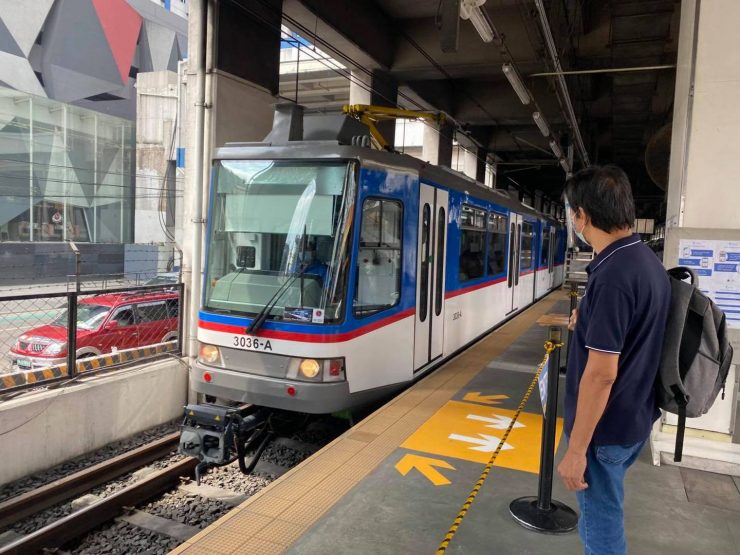
The Philippines is a country with a rich history and a diverse landscape. With its numerous islands and a growing population, efficient transportation systems are vital for economic development and improved quality of life. In recent years, the country has been fast-tracking its transportation infrastructure, and a key player in this transformation is the rail system. In this blog post, we take a closer look at the evolution, components, benefits, challenges, and innovative solutions in the Philippines’ rail system.
I. The Evolution of Rail Transportation in the Philippines
Historical Context: The history of rail transportation in the Philippines dates back to the Spanish colonial era when the first railway was constructed. However, rail development faced challenges during the 20th century, resulting in a decline in rail transport.
Milestones and Improvements: In recent years, there has been a revival of the rail system in the Philippines. Projects like the PNR North Railway and the LRT Line 2 East Extension have brought modernization and efficiency to the rail network.
II. Key Components of the Philippines’ Rail System
Overview of Rail Infrastructure: The rail system comprises a mix of commuter and light rail systems, as well as intercity trains. Major cities like Manila have their own commuter rail networks, providing efficient urban transportation.
Railway Operators: Various railway operators manage different rail lines in the country, including the Philippine National Railways (PNR), Light Rail Transit Authority (LRTA), and the Metro Rail Transit Corporation (MRTC).
III. Benefits of the Rail System
Improved Mobility: The rail system has alleviated traffic congestion in major cities, offering a faster and more efficient means of transportation.
Environmental Advantages: Rail transportation is environmentally friendly, as it reduces the carbon footprint associated with traditional road transport.
Economic Development: The rail system has spurred economic development by enhancing connectivity and facilitating the movement of goods and people.
IV. Challenges and Solutions
Infrastructure Challenges: The Philippines faces infrastructure challenges such as outdated tracks, limited connectivity, and capacity issues. These are being addressed through investments in rail infrastructure.
Safety and Maintenance: Ensuring the safety and maintenance of rail systems is crucial. Improved maintenance practices and technology adoption are key solutions.
V. Case Study: Aluminum Suspension Rail System
Introducing innovative solutions, such as the Aluminum Suspension Rail System, has been a game-changer for the country. This system is designed for versatility and efficiency in accessing heights for maintenance and construction.
- Applications: It is used for suspended access, maintenance of architectural highlights, hospital facades, commercial office and mall facades, and even skyscrapers.
- Advantages: Lightweight aluminum rail, custom-made brackets, manual and motorized trolleys, and the possibility of custom solutions make it a versatile choice.
VI. Case Study: Concealed Rail System
The Concealed Rail System offers a discreet means of access to different heights while seamlessly blending into architectural designs. This system enhances the aesthetics of buildings.
- Applications: It finds use in suspended access for various architectural structures.
- Advantages: It is aluminum-based, blends with the building’s design, and offers manual, motorized, or battery-operated trolleys for different economy offers.
VII. Future Prospects and Expansion Plans
The future of the Philippines’ rail system is promising. Ongoing projects and expansion plans, such as the PNR South Commuter, aim to further enhance the country’s rail network, connecting more areas and boosting economic growth.
Takeaway
The Philippines’ rail system plays a pivotal role in fast-tracking the country’s development. With historical milestones, modernization, and innovative solutions like the Aluminum Suspension Rail System and Concealed Rail System, the country is well on its way to efficient and sustainable transportation. As future prospects continue to expand, rail transportation will continue to be a cornerstone of progress in the Philippines.
- Outsourced Sales Closers: The Smart Way to Scale Revenue Without Expanding Your In-House Team

- B2B Lead Generation Closers: Driving High-Quality Pipeline Growth in Modern Global Sales Systems

- Outsourced High Ticket Sales: The Scalable Growth Strategy for Premium Brands and Service Providers

- Building Rapport with ANYONE in Sales: Proven Ways to Build Trust, Connection, and Lasting Relationships

- Global Sales Closers: The Ultimate Guide to Scaling High-Ticket Sales Across International Markets